If the jobs are truly equal, you can’t argue against paying equally.
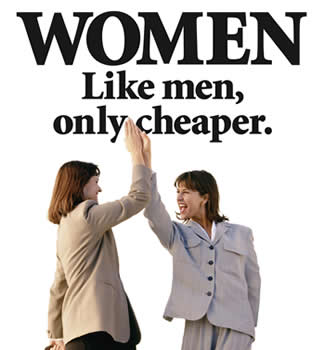 Equal Pay Day [April 17th] is supposed to represent the day that women have finally earned enough to make up for last year’s wage gap. According to the Bureau of Labor Statistics, full-time working women earned 81 percent of what full-time working men earned in 2010 (the most recent data available), leaving a “gap” of 19 percent between the sexes. But that means to make up for that “under-payment,” women would have to work through March 10. So we are celebrating Equal Pay Day more than a month late. Yet the mistaken logic of Equal Pay Day goes deeper than this simple calculation. Equal Pay Day presumes that the difference between men and women’s average earnings stems from discrimination, as President Obama suggested in his official proclamation last year: “I call upon all Americans to recognize the full value of women’s skills and their significant contributions to the labor force, acknowledge the injustice of wage discrimination, and join efforts to achieve equal pay.”
The wage gap statistic, however, doesn’t compare two similarly situated co-workers of different sexes, working in the same industry, performing the same work, for the same number of hours a day. It merely reflects the median earnings of all men and women classified as full-time workers.




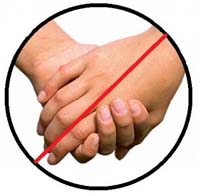 Like any state legislature dealing with 8 percent unemployment and thousands of its residents facing disenfranchisement, the Tennessee Senate is targeting the menace of underage hand-holding. Last week, the Senate passed SB 3310, a bill to update the state’s abstinence-based sex education curriculum to define holding hands and kissing as “gateway sexual activities.” Just one senator voted against the legislation; 28 voted in favor.